
Dig Deeper with Waste Optima’s Blog Posts
Explore Waste Optima’s industrial recycling blog for practical guides, examples, and frameworks on landfill diversion and beneficial reuse. Articles help manufacturers, warehouses, and EHS teams improve costs, operations, and environmental performance across plastics, metals, chemicals, organics, and surplus inventory.
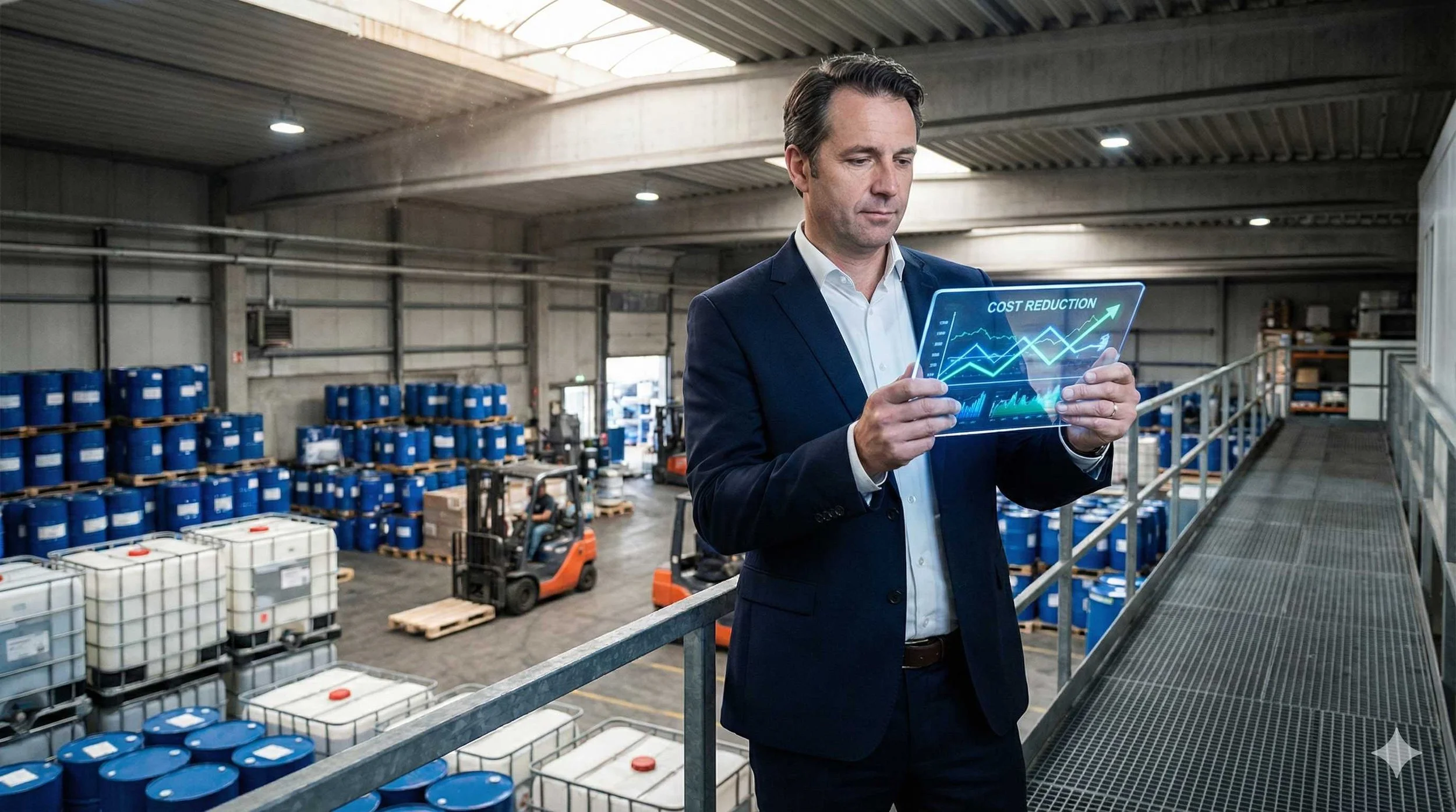
Why Smart CFOs Are Switching to "Spot Buying" for Raw Materials
The era of "set it and forget it" procurement contracts is over. In an inflationary environment, relying 100% on primary distributors is a strategy for eroding margins. Here is how agile manufacturers are fighting back.
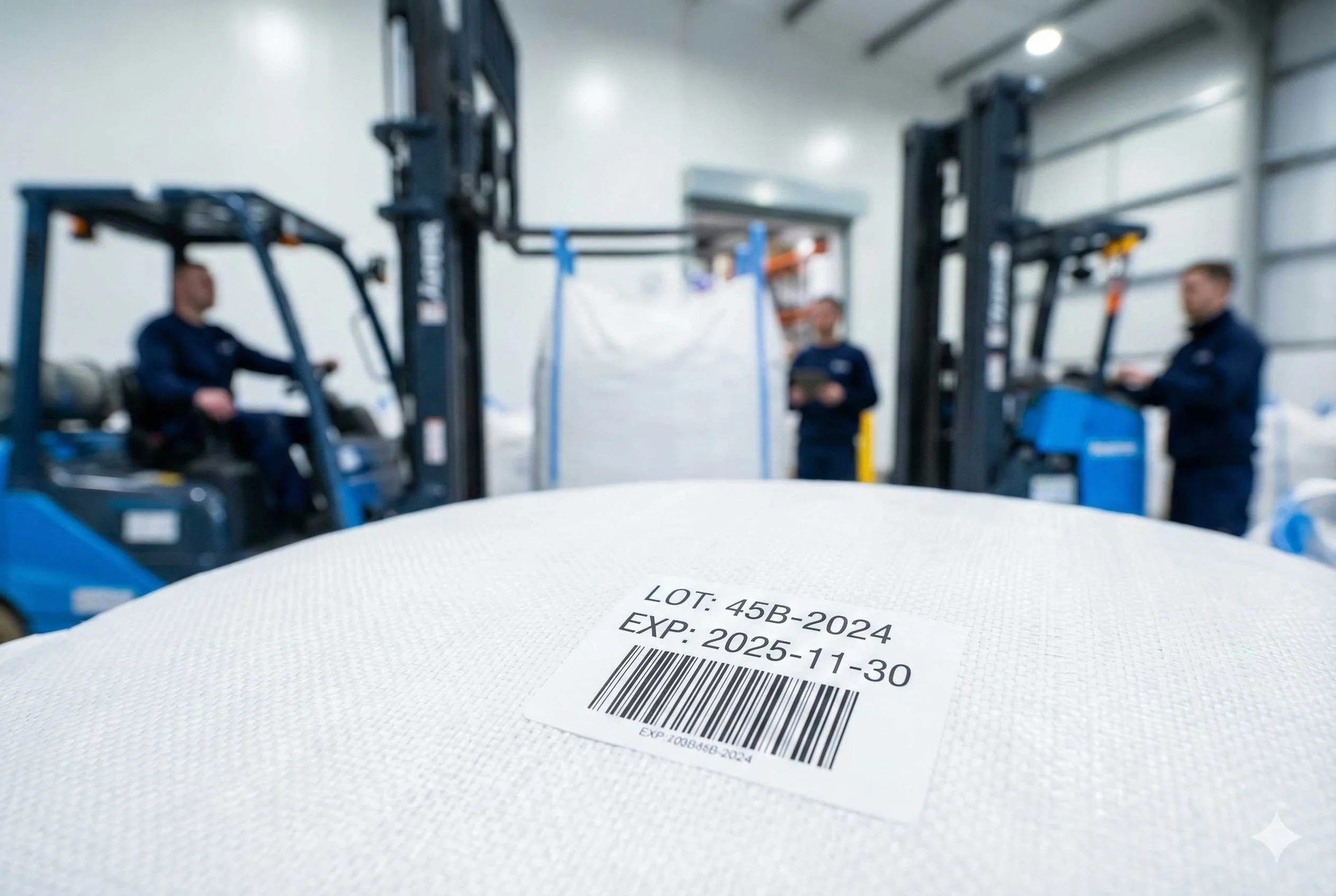
The Expiration Cliff: Why 6 Months is the Break-Even Point for Bulk Ingredient Recovery
For food manufacturers and inventory managers, excess inventory is often viewed as a dormant asset—something that can sit on the balance sheet until a decision is made. However, when dealing with bulk ingredients, inventory is not dormant; it is decaying.
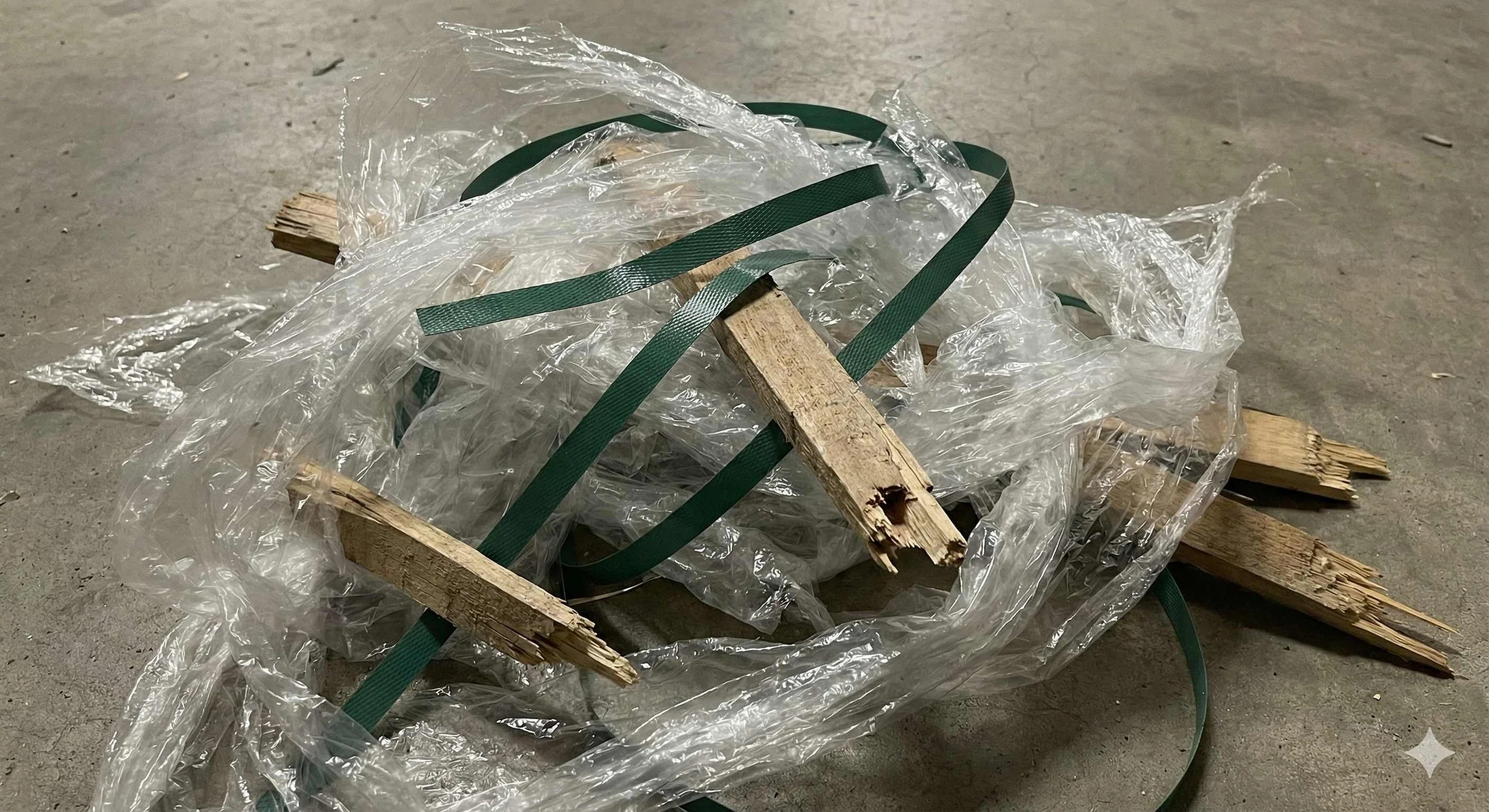
The 3 Enemies of Film Recycling: Why Mills Reject Industrial Bales
The most expensive load of recycling is the one that gets rejected.
Imagine this scenario: Your team works hard to bale 40,000 lbs of plastic film. You ship it to a processor. Upon arrival, they cut open the first bale and find it full of rigid banding and wood chips. The entire load is rejected. You are now on the hook for the return freight and the landfill disposal fees.
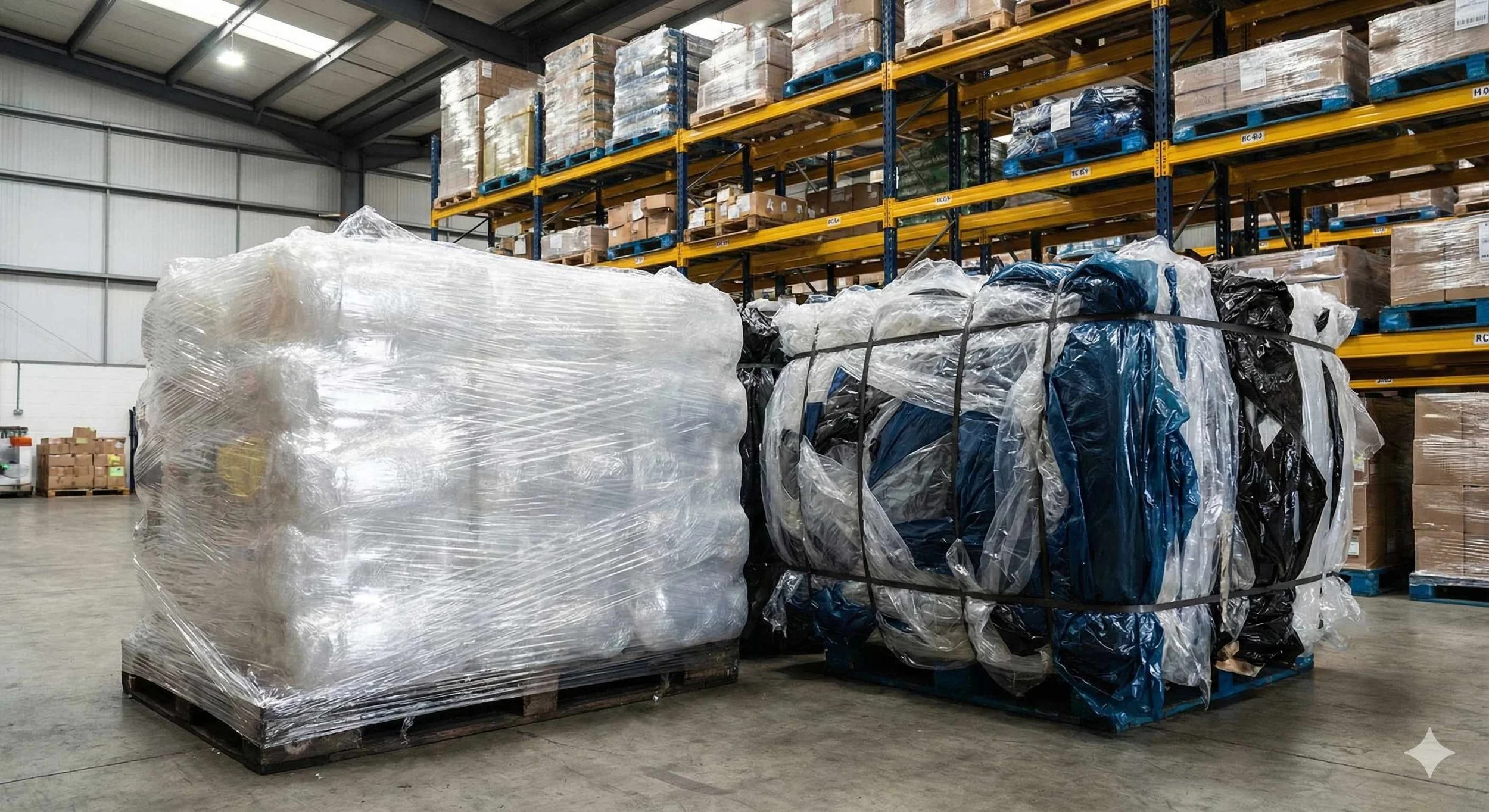
Grade A vs. Grade B: How to Maximize Your Shrink Wrap Recycling Rebates
For high-volume distribution centers, baled plastic film (LDPE/LLDPE) is often the most valuable recyclable commodity generated on-site. However, many facilities treat their baler like a trash can, mixing clear shrink wrap, colored pallet bands, and shipping labels into a single "mixed" bale.
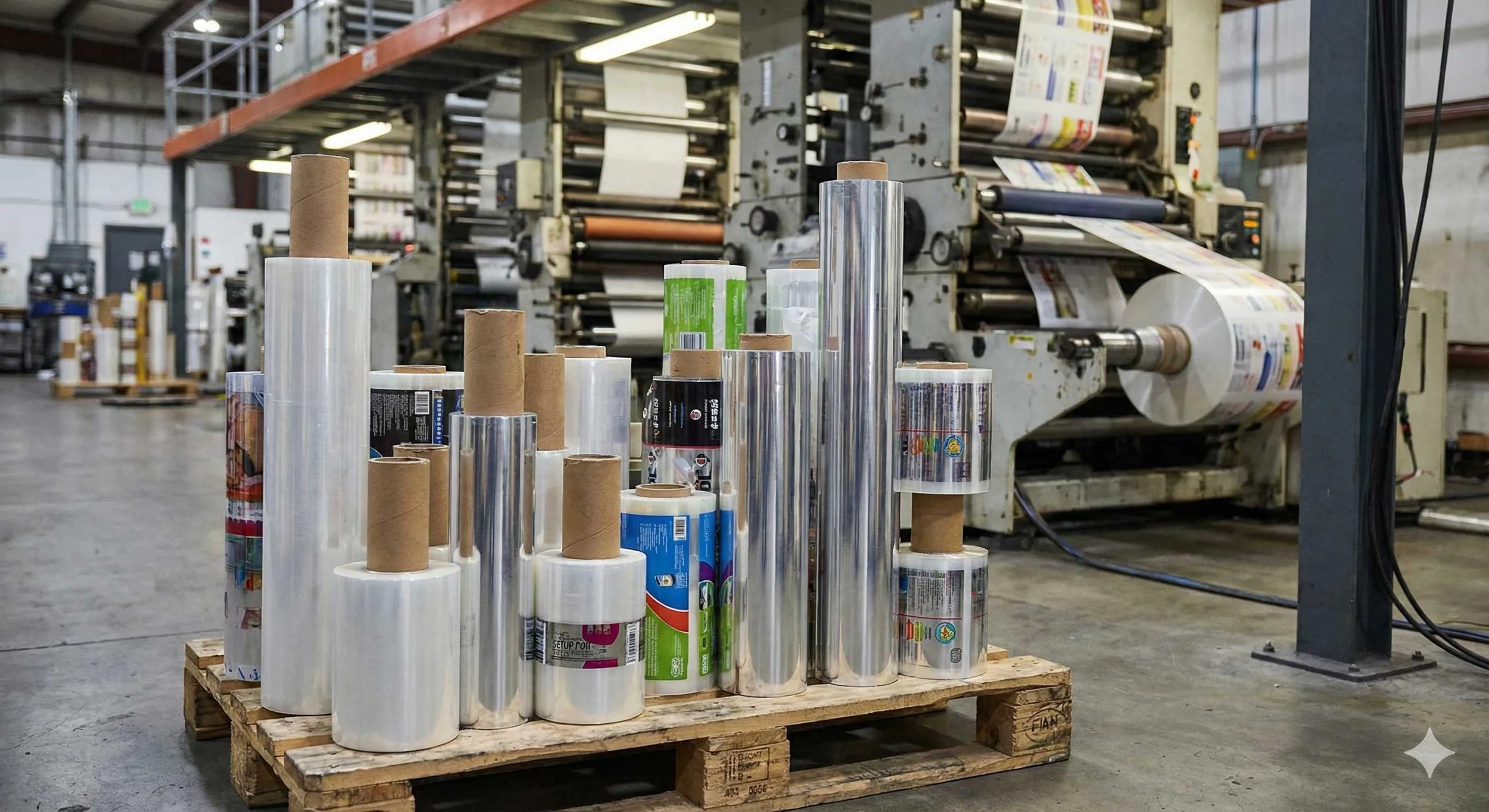
Beyond the Baler: Maximizing Value for BOPP and PET Setup Rolls
For flexible packaging converters, waste is an unavoidable part of the process. Every time a flexographic or rotogravure press is set up for a new run, hundreds of pounds of "setup rolls" are generated to align the registration and color.
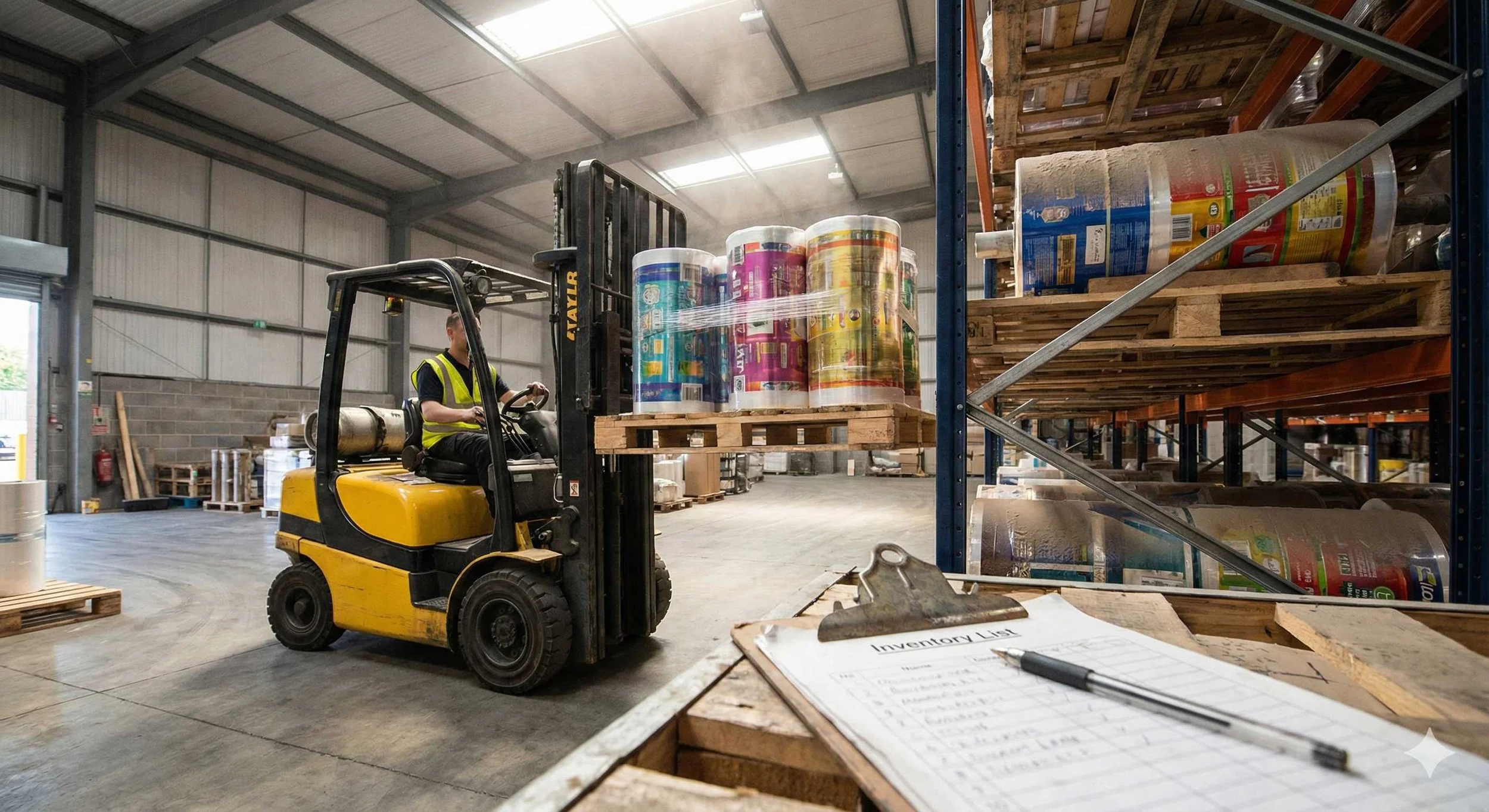
Design Change? Don't Dump Your Obsolete Packaging Film
In the fast-moving world of Consumer Packaged Goods (CPG), change is constant. A marketing refresh, a new nutritional label requirement, or a seasonal promotion often leaves the operations team with a massive headache: Pallets of obsolete film rolls.
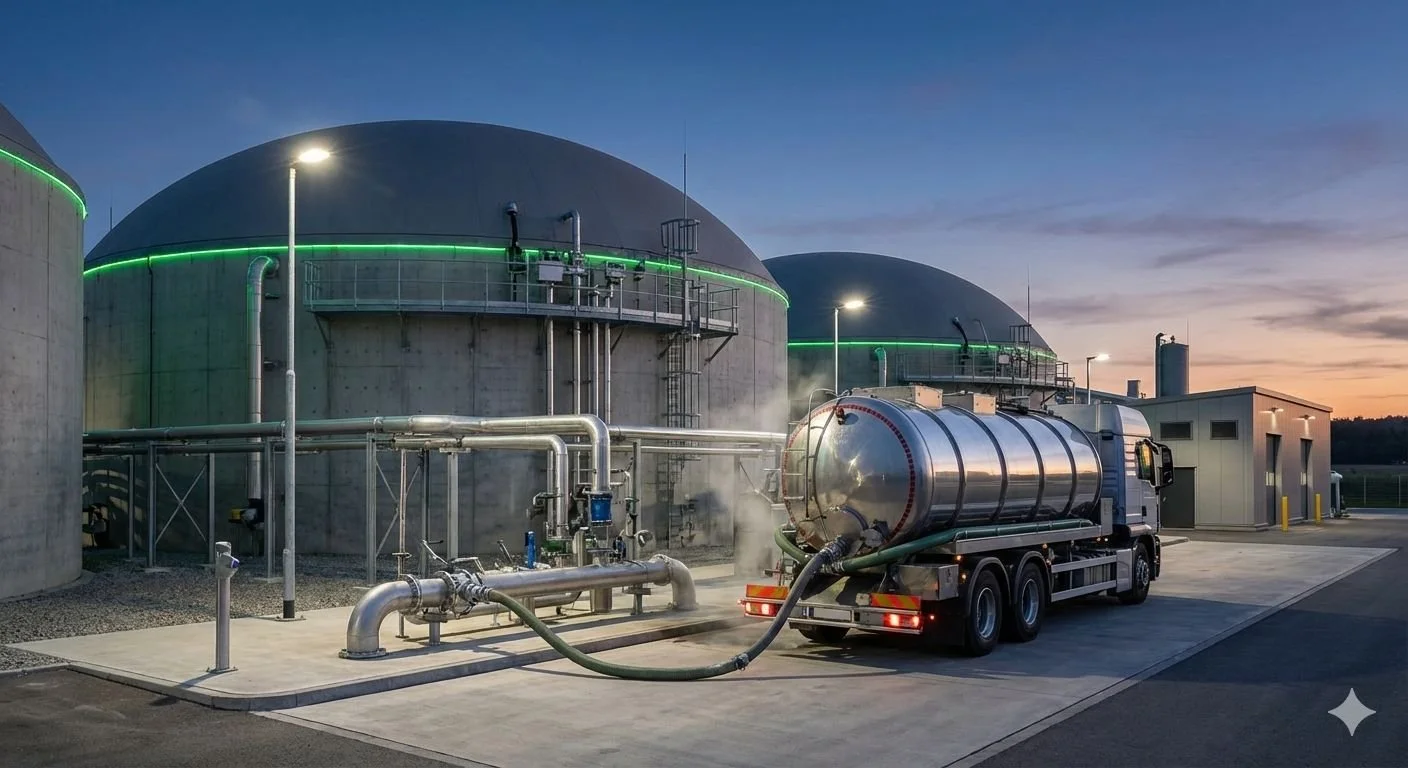
Too Wet to Burn, Too Rich to Bury: Anaerobic Digestion for DAF Sludge
For food and beverage manufacturers, the on-site wastewater treatment plant is often the biggest headache in the facility. The primary byproduct—Dissolved Air Flotation (DAF) sludge—is a logistical nightmare.
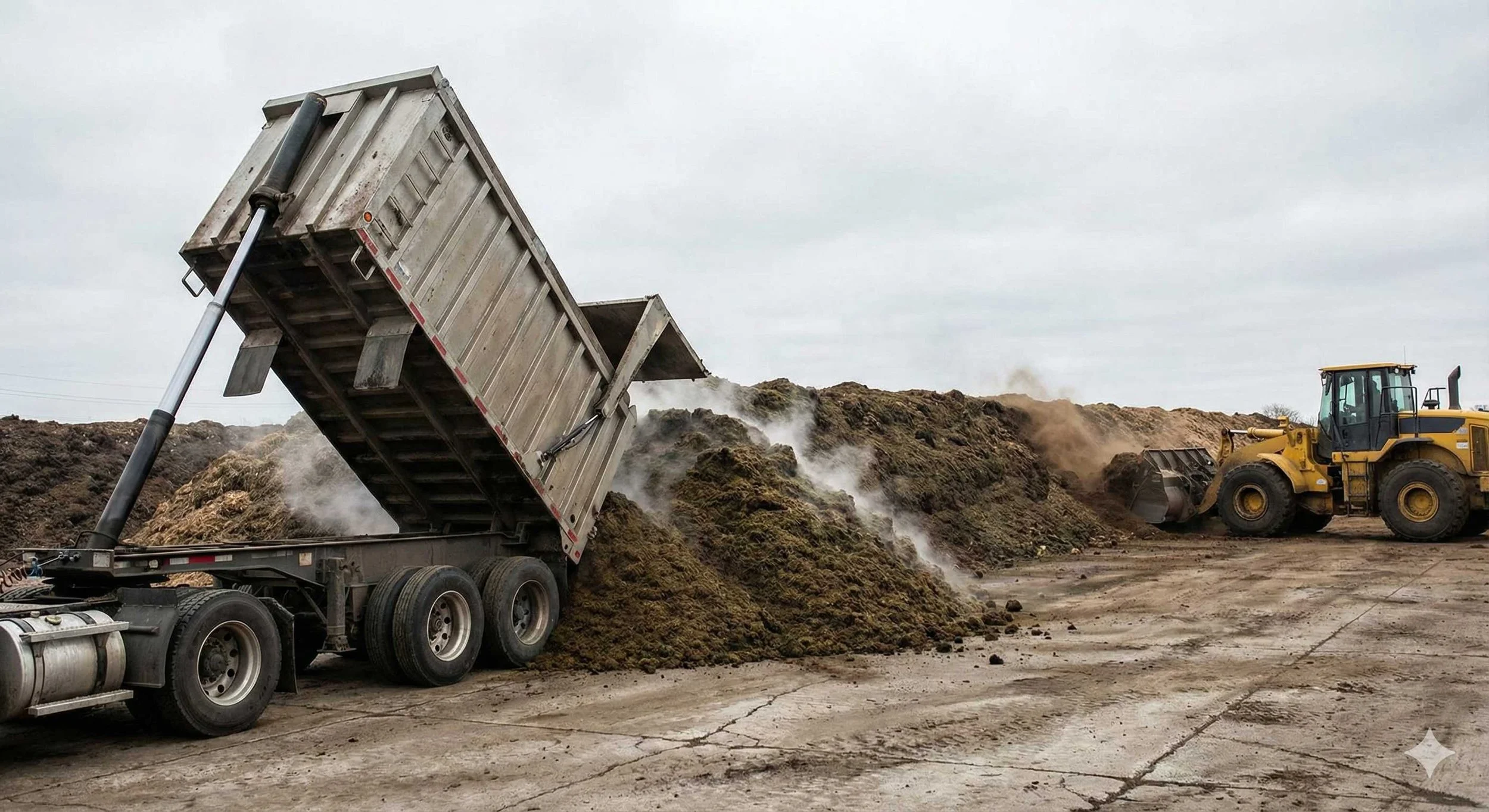
Industrial Composting Logistics: Managing Bulk Vegetable & Fiber Cake
Not every organic waste stream is destined for the animal feed market. For vegetable processors, paper mills, and agricultural operations, the filter cake generated at the end of the line is often low in protein but incredibly high in volume and moisture.

The Protein Premium: Converting Organic Filter Cake into Animal Feed
In the hierarchy of organic waste disposal, not all filter cakes are created equal. While vegetable wash sludge or paper fiber might belong in a compost pile, high-protein manufacturing byproducts belong in the food supply chain.

From Filter Press to Feedstock: Beneficial Reuse for Gypsum and Lime Cakes
In the chemical manufacturing and industrial water treatment sectors, the filter press is often the end of the line. It produces tons of white or grey mineral cake—usually Calcium Sulfate (Gypsum) or Calcium Carbonate (Lime)—which is promptly hauled to a sanitary landfill.
For decades, this has been standard operating procedure. But in today's circular economy, it represents a massive missed opportunity.
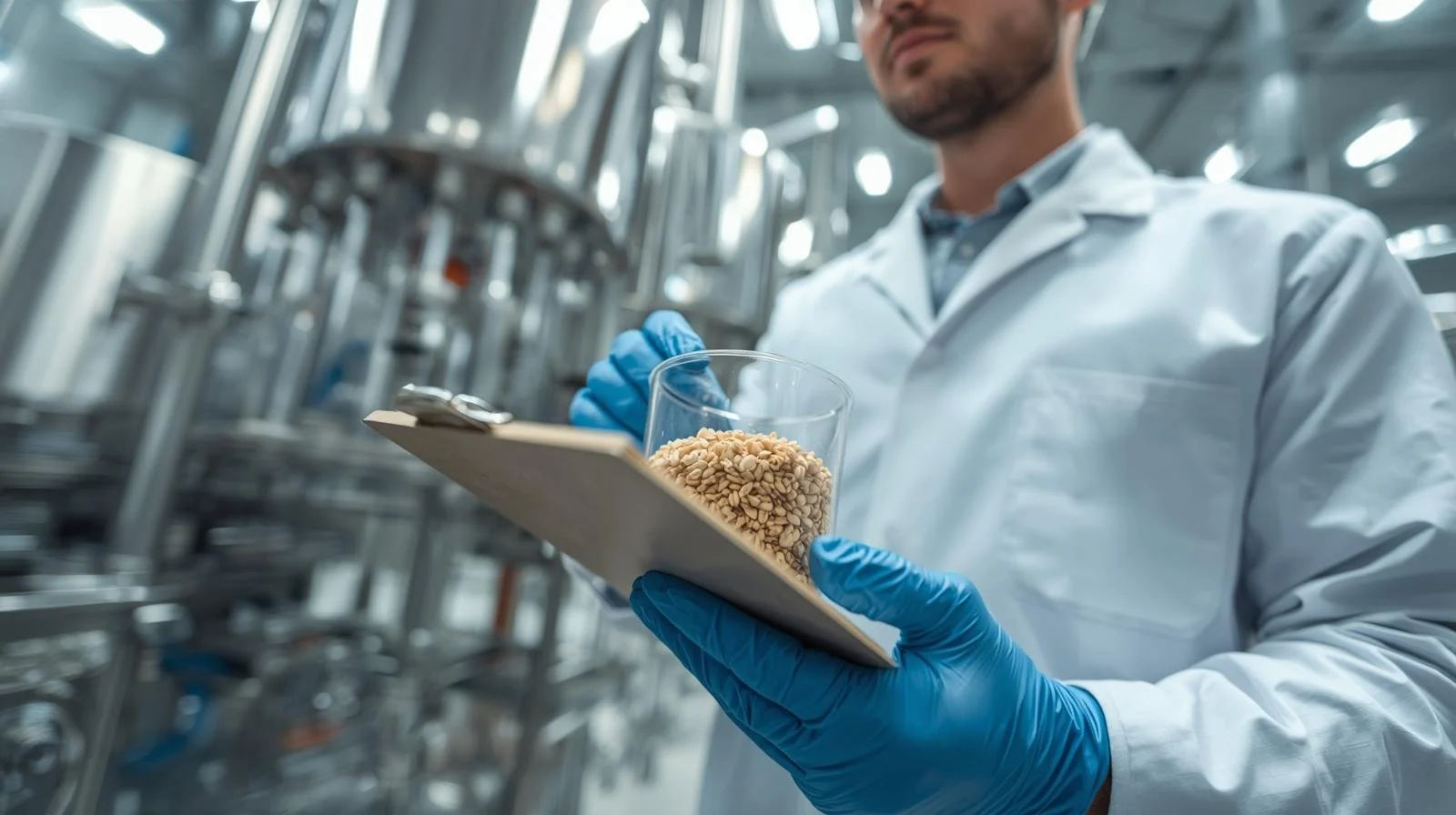
Is Your Byproduct Feed-Grade? The Industrial Qualification Guide
For industrial food manufacturers, the line between "Trash" and "Commodity" is often defined by a single question: Is it safe for an animal to eat?
While the concept of diverting food waste to animal feed is simple, the execution requires strict adherence to quality standards. Manufacturers are often hesitant to explore feed diversion because they fear liability or regulatory non-compliance.

It’s Not All F006: Disposal Solutions for Non-Hazardous Phosphate & Polish Sludge
In the metal finishing industry, "F006" is the boogeyman. This EPA listing for wastewater treatment sludge from electroplating operations carries heavy regulatory burdens and expensive disposal fees.
However, many EHS Managers and Plant Operators inadvertently bundle all their finishing waste into this expensive category.

Heavy Metal, Low Risk: Recycling Non-Hazardous ECM Filter Cake
or manufacturers of turbine blades, medical implants, and precision aerospace components, Electrochemical Machining (ECM) is a critical technology. But it creates a heavy, dense byproduct: ECM Filter Cake.
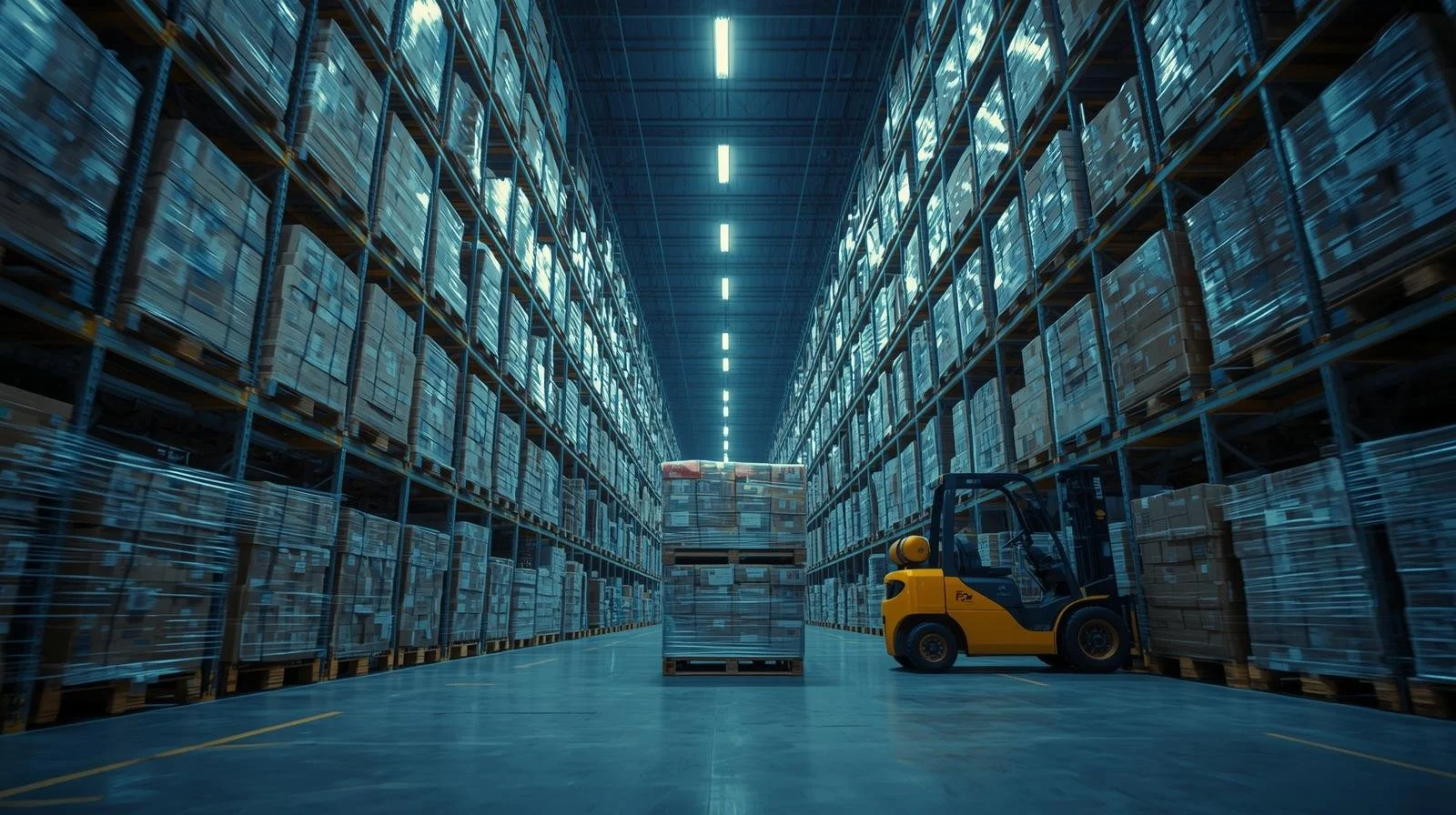
The Pallet Problem: Solving Bulk Disposal for Finished Food Inventory
For cold storage operators and distribution center managers, few words are more dreaded than "Recall" or "Expired Stock."
When a full truckload of frozen pizzas, cookies, or packaged meats hits its expiration date, it stops being an asset and becomes a massive logistical liability. You are left with a difficult choice: pay exorbitant landfill tipping fees for heavy organic weight, or pay your own labor force to manually unwrap thousands of units to recycle the food.
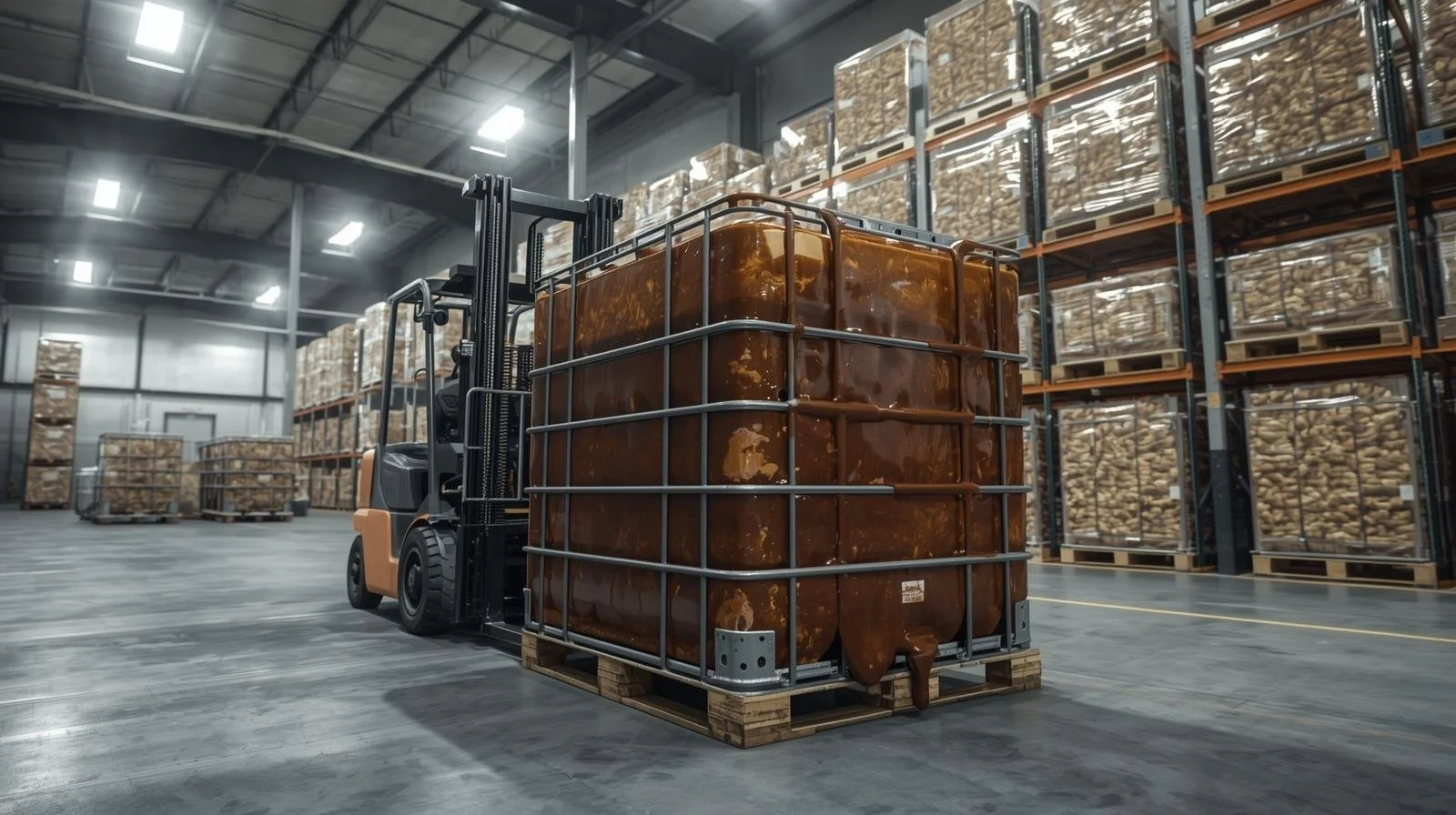
From Liability to Lipid: Monetizing High-Fat Industrial Waste
In the world of waste management, few things are as operationally difficult as "sticky" waste. For manufacturers of nut butters, chocolates, and fried snacks, disposing of off-spec product is a nightmare. It is heavy, it clogs standard compactors, and commercial composters often reject it due to the high fat content slowing down their breakdown process.
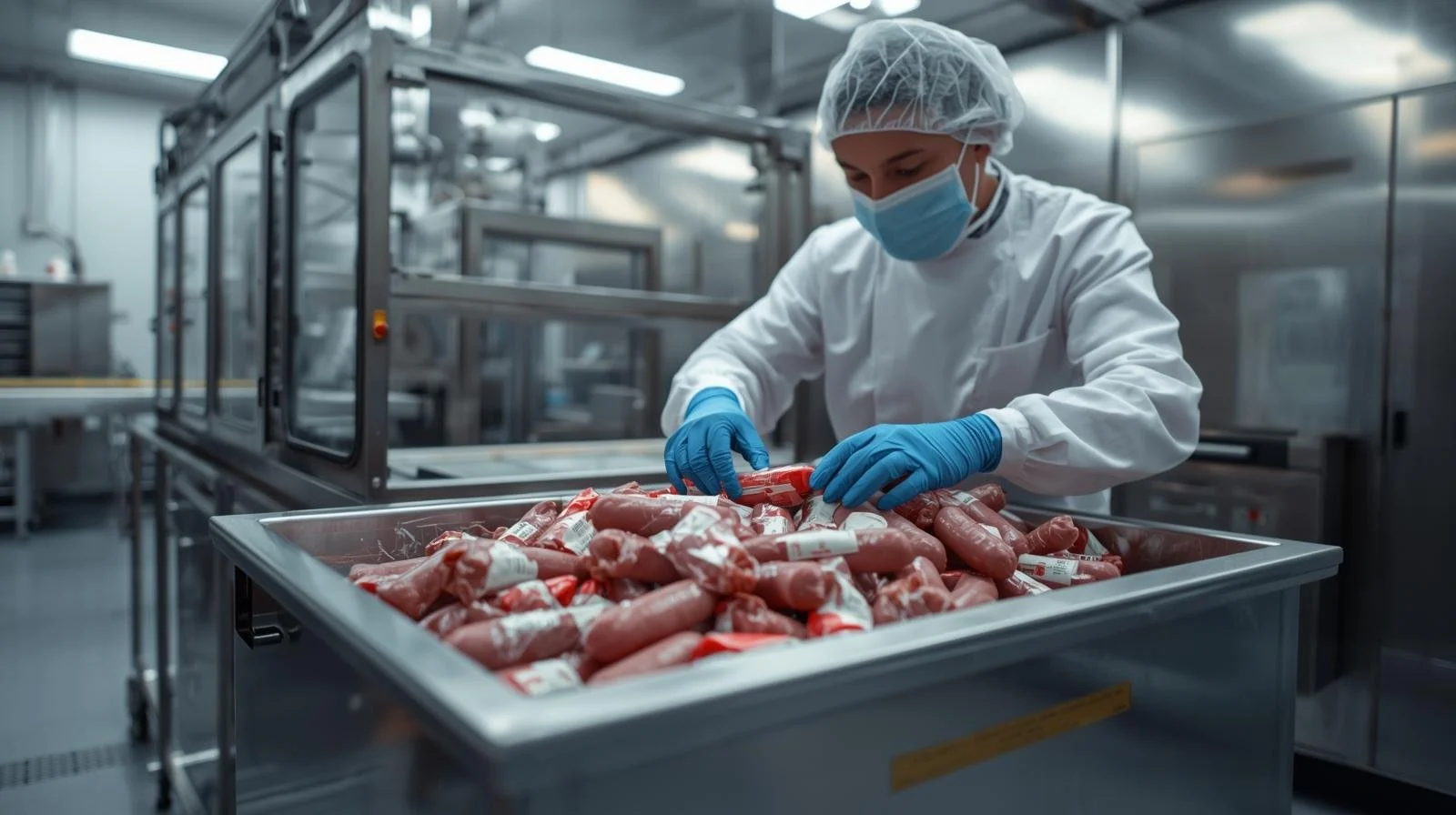
Beyond Rendering: The Industrial Guide to Recycling Cured & Processed Meats
For facility managers at meat processing plants, "waste" usually means one of two things: sending raw slaughter material to a rendering plant or sending finished, off-spec goods to a landfill. Both options are expensive. Rendering fees fluctuate with commodity markets, and landfilling organic waste carries heavy weight-based tipping fees—not to mention the environmental impact on your Scope 3 emissions.
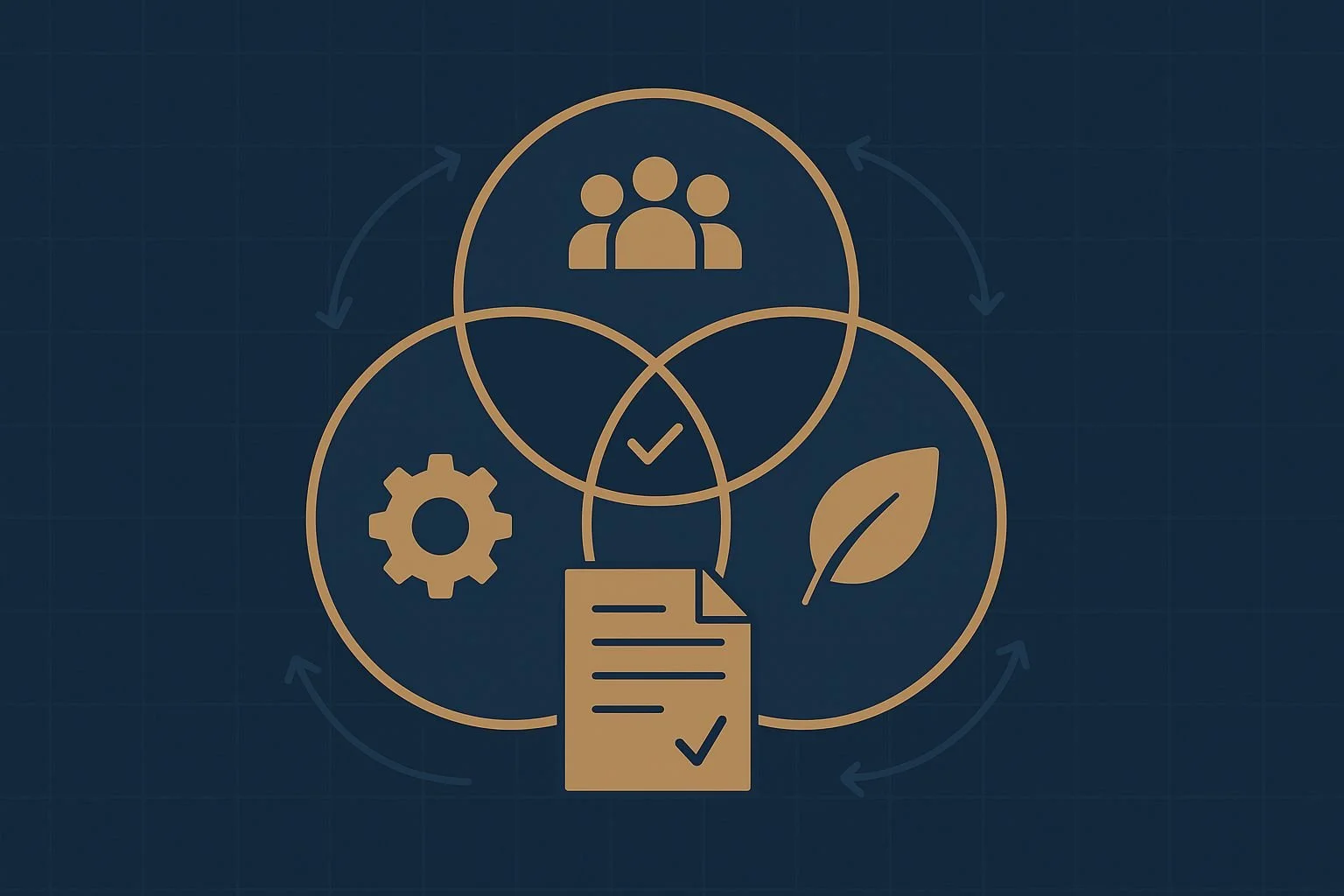
A Summary of Environmental Pragmatism
Environmental pragmatism is a branch of environmental philosophy—rooted in classical American pragmatism—that prioritizes democratic problem-solving over winning abstract debates. Consolidated in the 1996 volume edited by Andrew Light and Eric Katz, it embraces moral pluralism, policy “experimentalism,” and Bryan Norton’s convergence idea to keep action moving while disagreements about ultimate values continue.

Industrial Plastic Film Recycling: Why Baling Is the Only Scalable Option
The only practical way to recycle large volumes of plastic film from plants and warehouses is to bale it. Baling turns fluffy, hard-to-ship film into dense, consistent blocks buyers accept—cutting trash pulls and often earning a rebate. Start with a vertical baler near your stretch-wrap stations, keep film clean and separate, and ship full truckloads on a set schedule.

What the 2024 EREF Report Says About U.S. Landfill Costs
The Environmental Research & Education Foundation (EREF) has released its annual “Analysis of MSW Landfill Tipping Fees — 2024”, providing the most comprehensive look yet at how much it costs to dispose of municipal solid waste (MSW) across the United States.

Surplus Chemicals at Terminals: Redistribution, Reuse & Rapid Monetization
Cancelled orders and no-shows leave terminals holding perfectly good, new-in-drum chemicals. Instead of sitting on liability and storage costs, here’s how to move compliant, sealed product into responsible downstream uses quickly.